Increasingly, we see how heatwaves, heavy rainfall, and drought are putting pressure on our buildings and infrastructure. What does this mean for the future of the construction sector? Climate-adaptive solutions are no longer a choice, but a necessity to limit damage and keep our living environment safe.
Climate change and the impact on the built environment
Climate change is leaving an increasingly heavy mark on our built environment. Heatwaves are becoming more frequent and longer, leading to heat stress, particularly in cities. At the same time, the risk of flooding due to heavy rainfall is rising. Sewers can no longer process the water, leading to floods and the inaccessibility of vital locations such as hospitals. Drought causes land subsidence, which can cause foundation damage to thousands of homes. These effects require adaptations, such as green roofs, permeable paving, and the reinforcement of infrastructure. The urgency is high: without action, costs and damage will rise, and the vulnerability of our living environment will increase.
Climate-adaptive measures in construction
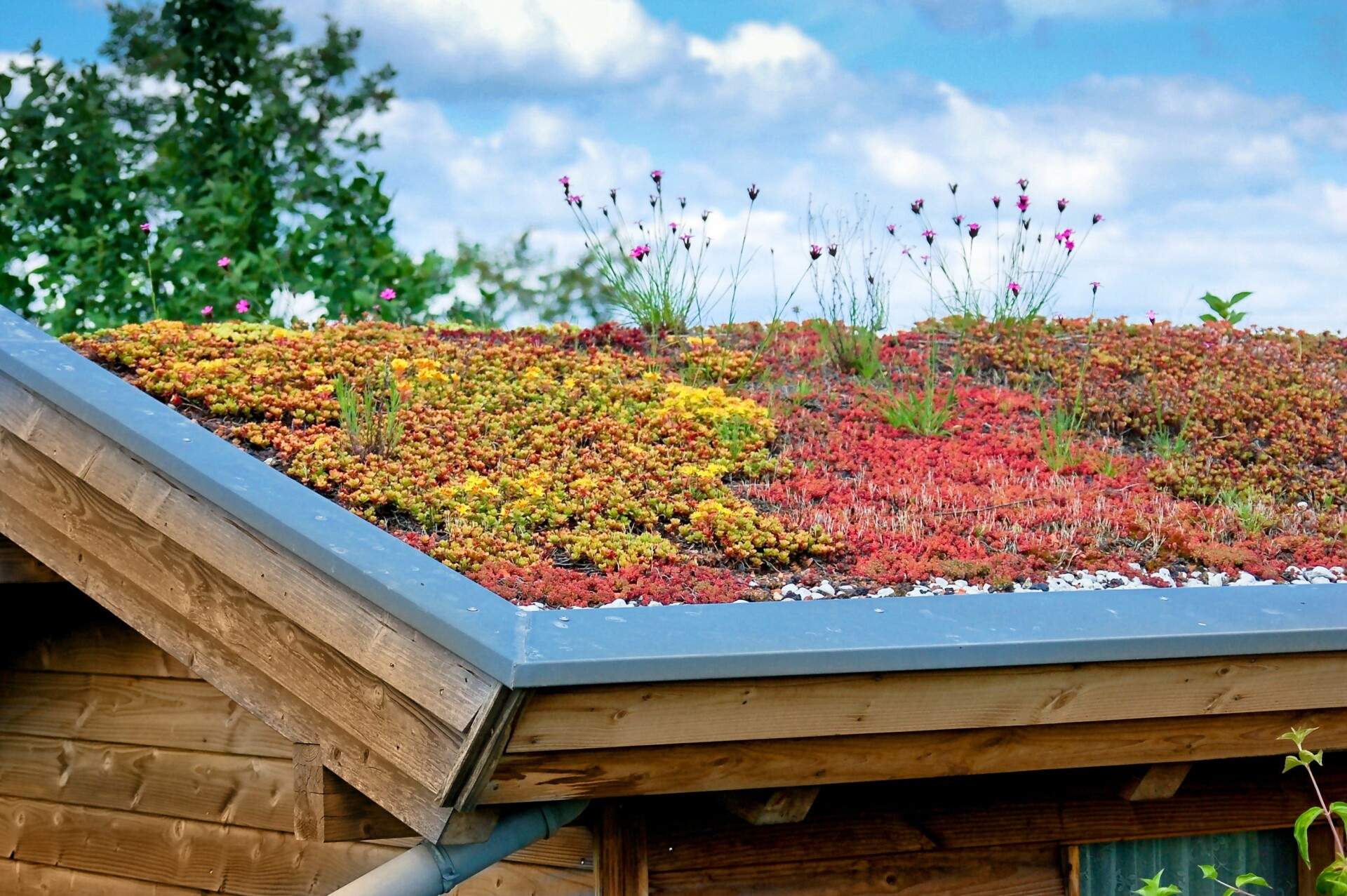
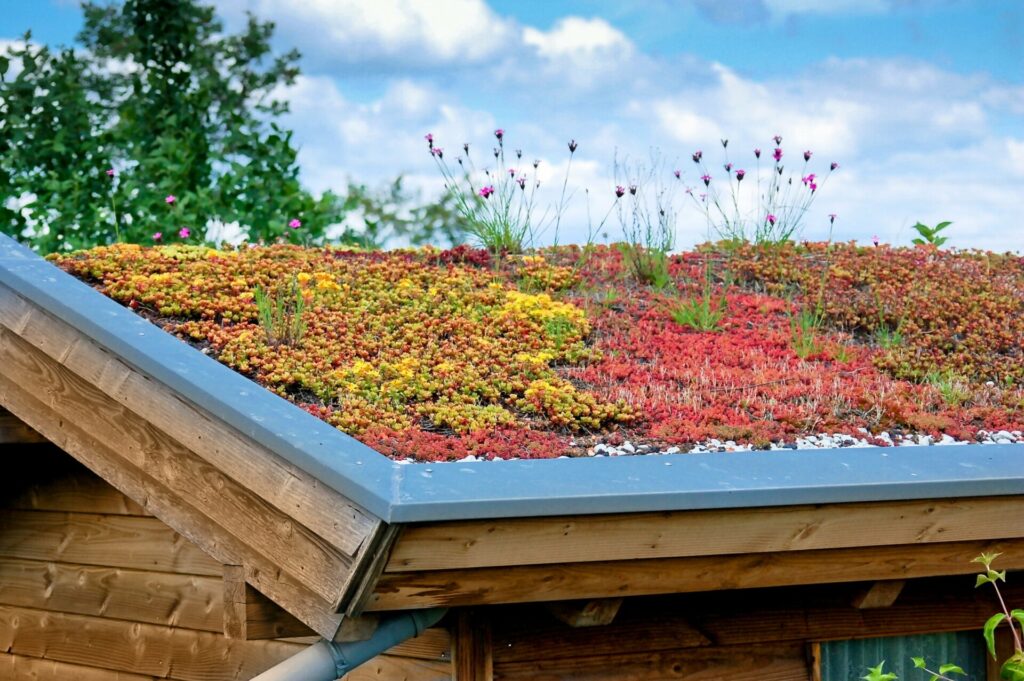
Climate adaptation in construction involves two main types of measures: passive and active. Passive measures, such as green roofs, sun shading, and bio-based materials, do not require energy but reduce heat stress and flooding. Green roofs, for example, cool through evaporation, making active cooling unnecessary and thus saving energy. Active measures include installations such as air conditioning, heat pumps, and fans that consume energy to regulate the indoor climate. These systems are essential with increasing heat but increase pressure on the power grid, which can cause grid congestion. The combination of passive and active solutions offers a balanced approach. Passive measures limit the need for energy-intensive systems, while active measures provide comfort when passive solutions are insufficient. The construction sector faces the challenge of integrating these measures efficiently, taking into account staff shortages and grid capacity.
Market opportunities and challenges for construction and installation companies
The construction and installation sector is facing a growing demand for climate-adaptive solutions. The rising demand for active solutions such as air conditioning and heat pumps offers opportunities for installers. However, staff shortages are a major bottleneck, making it uncertain whether the sector can deliver quickly enough. In addition, grid congestion limits the adoption of electrical installations, as the power grid is reaching capacity in many places. Smart grid solutions and flexibility measures are essential to overcome these challenges. Construction and installation companies that anticipate this can strengthen their competitive position and contribute to a climate-resilient built environment.
In a time when heatwaves, heavy rainfall, and land subsidence threaten our buildings, it is clear that climate adaptation is not an option but a necessity. Passive solutions such as green roofs and bio-based materials reduce heat stress and flooding without extra energy, while active systems such as heat pumps offer comfort but also present challenges for the power grid. The construction and installation sector must combine these techniques smartly and work together to overcome staff shortages and grid congestion.
Source: ABN AMRO